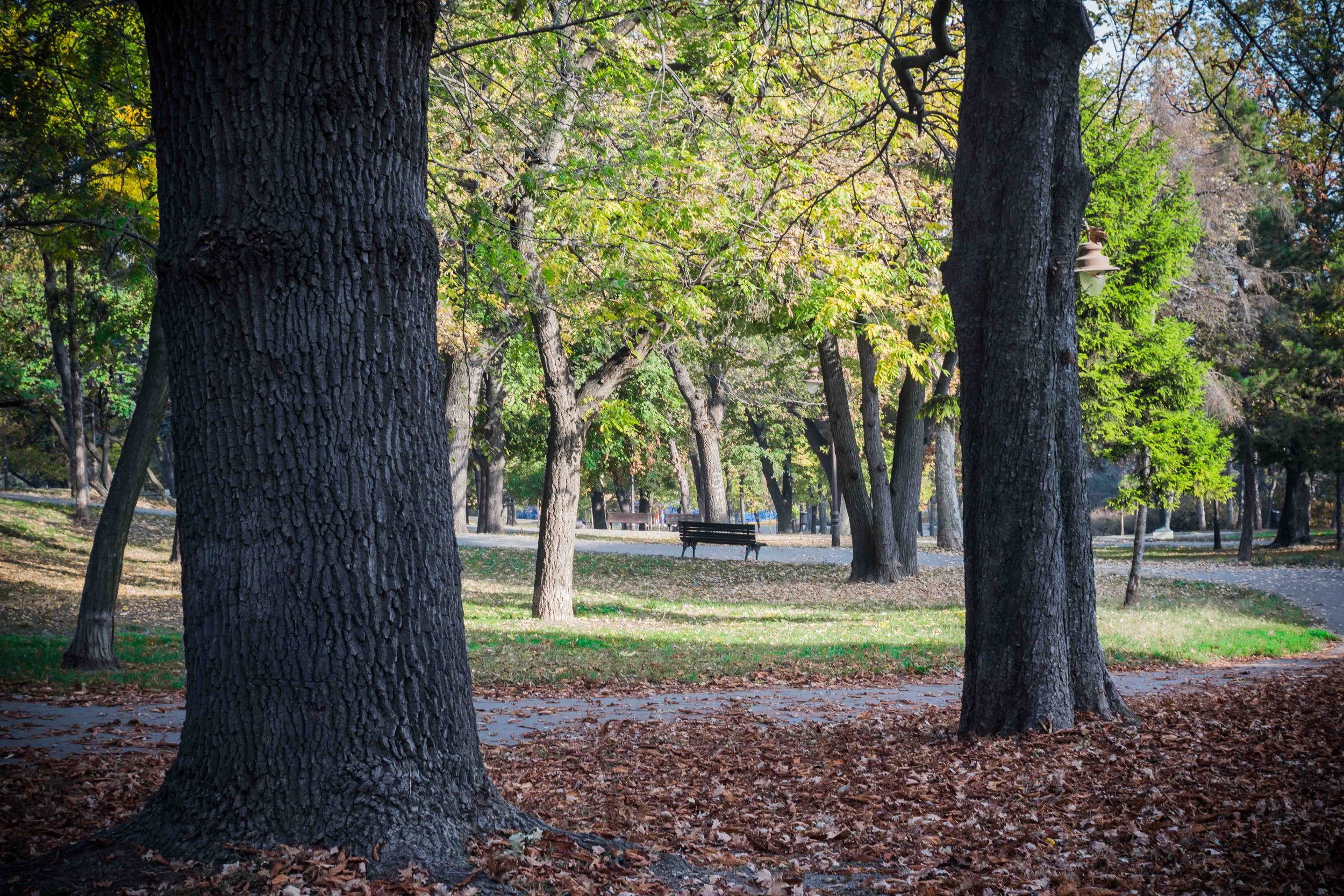
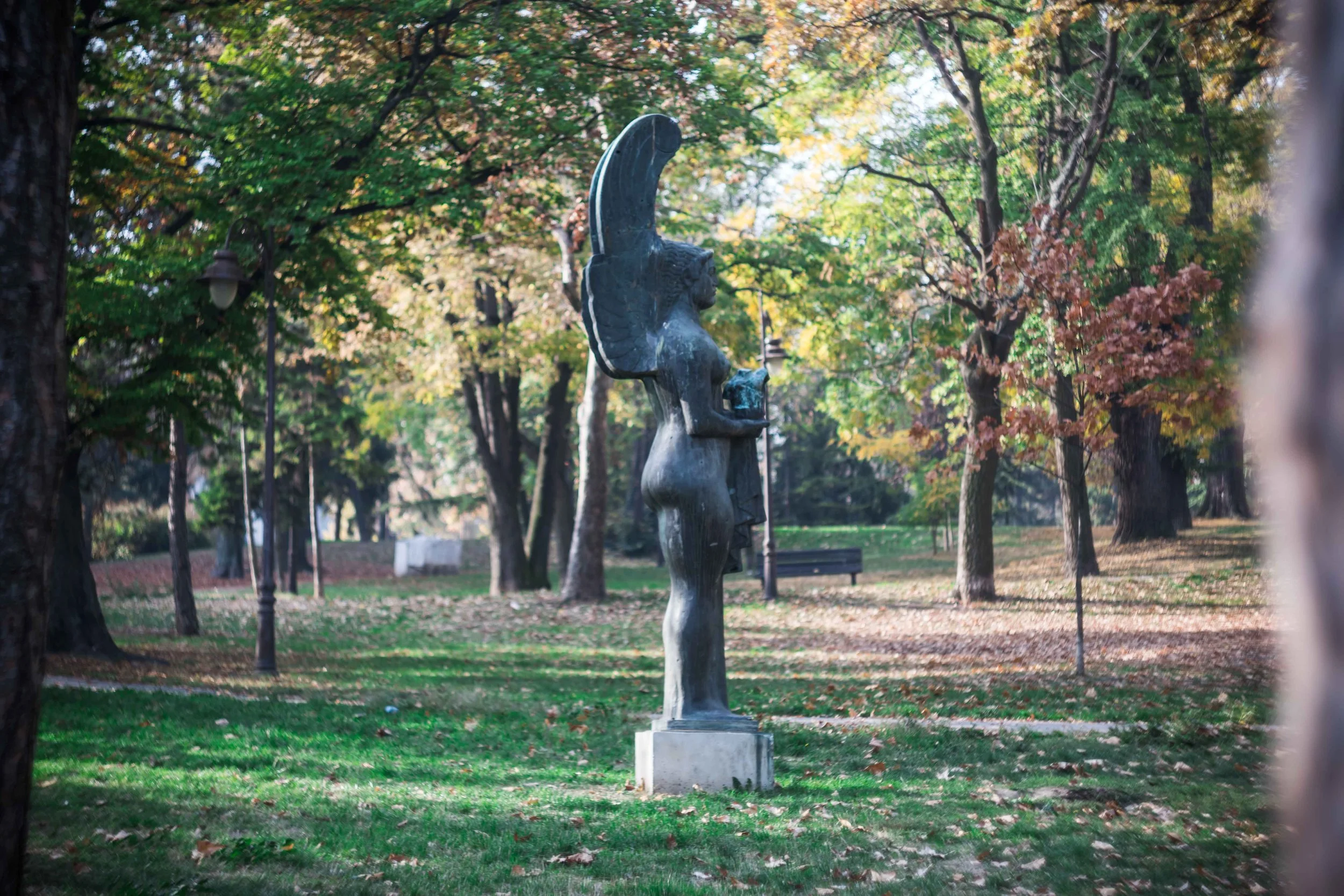
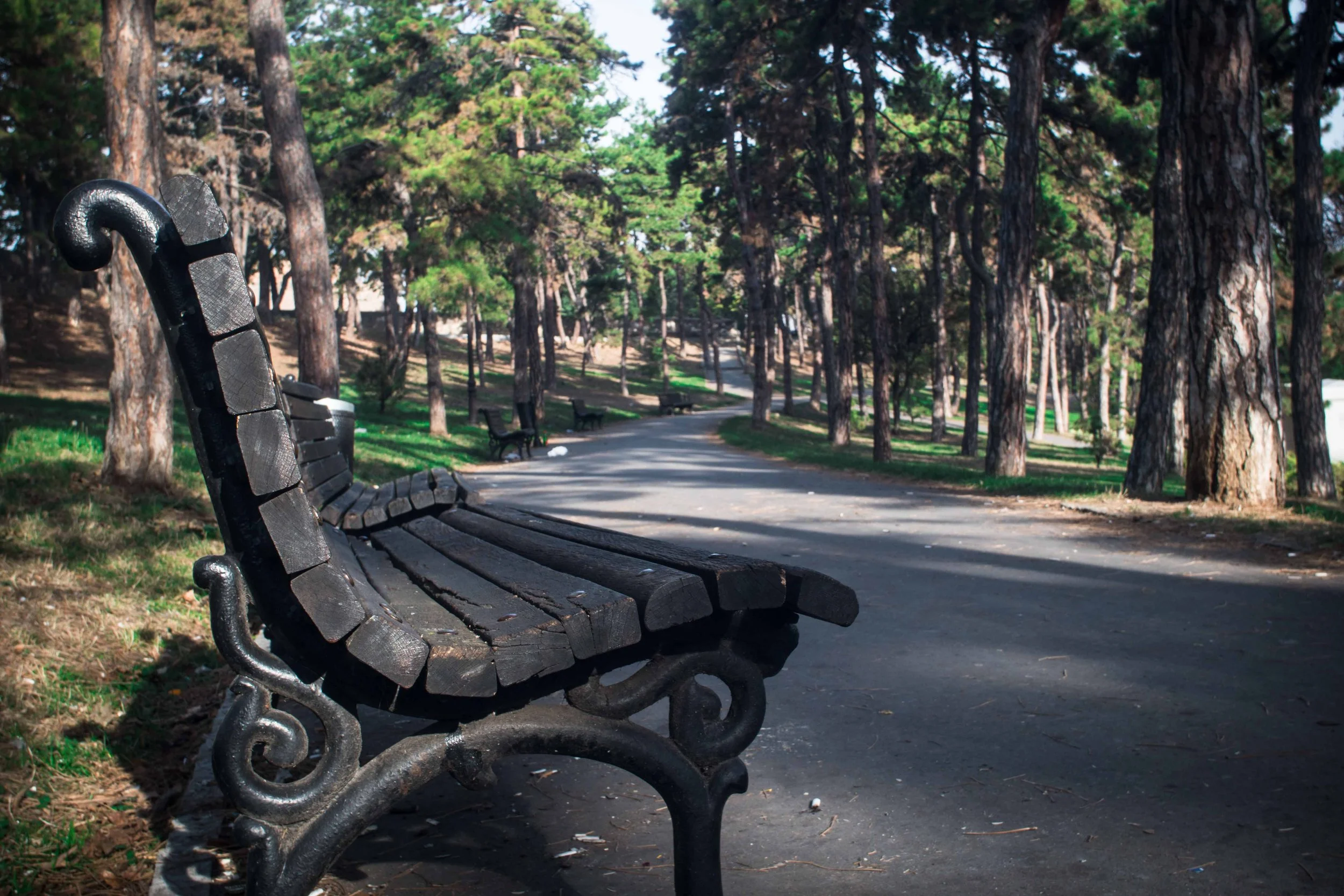
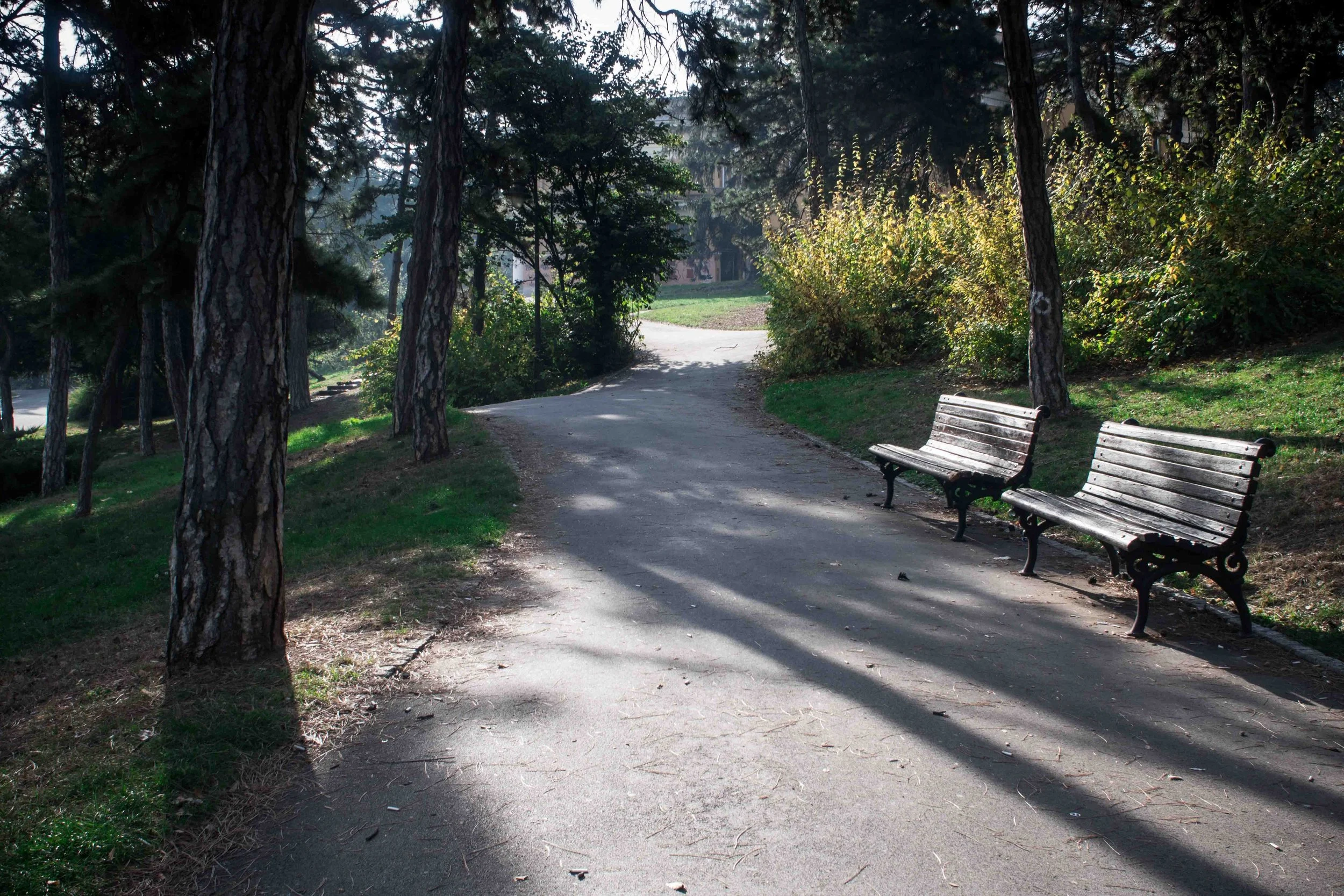
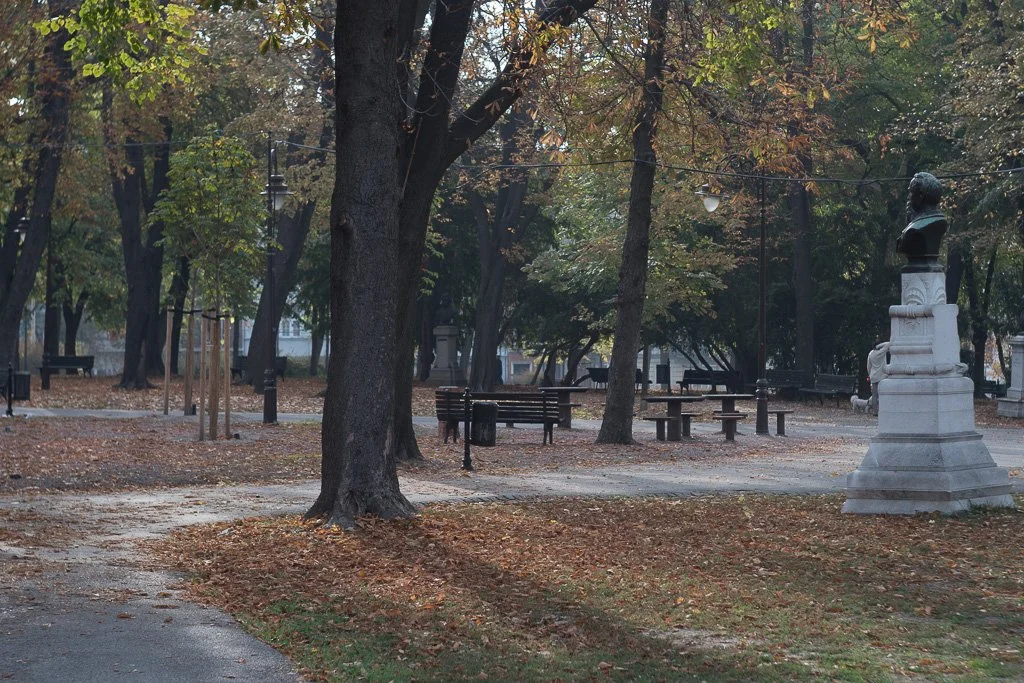
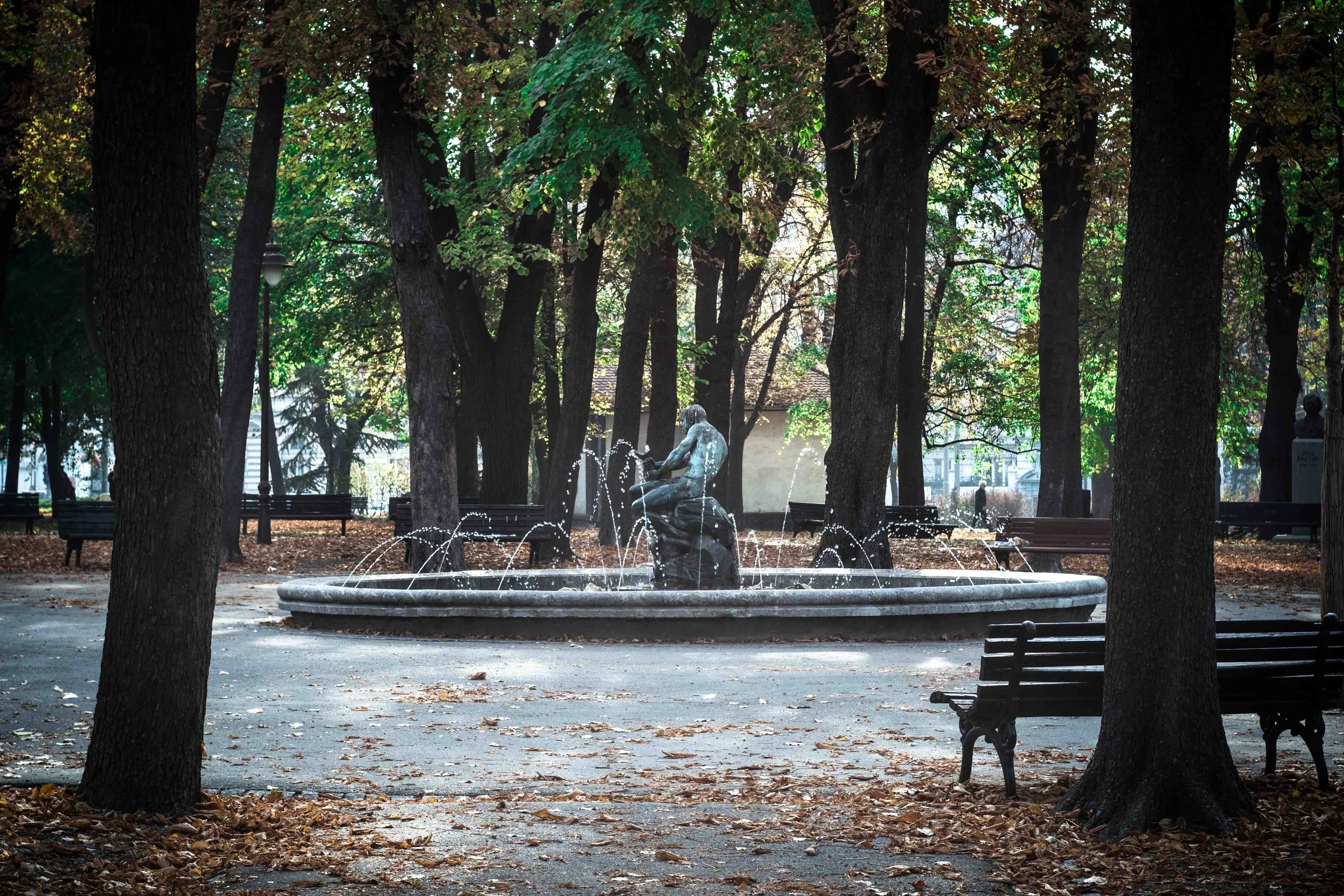
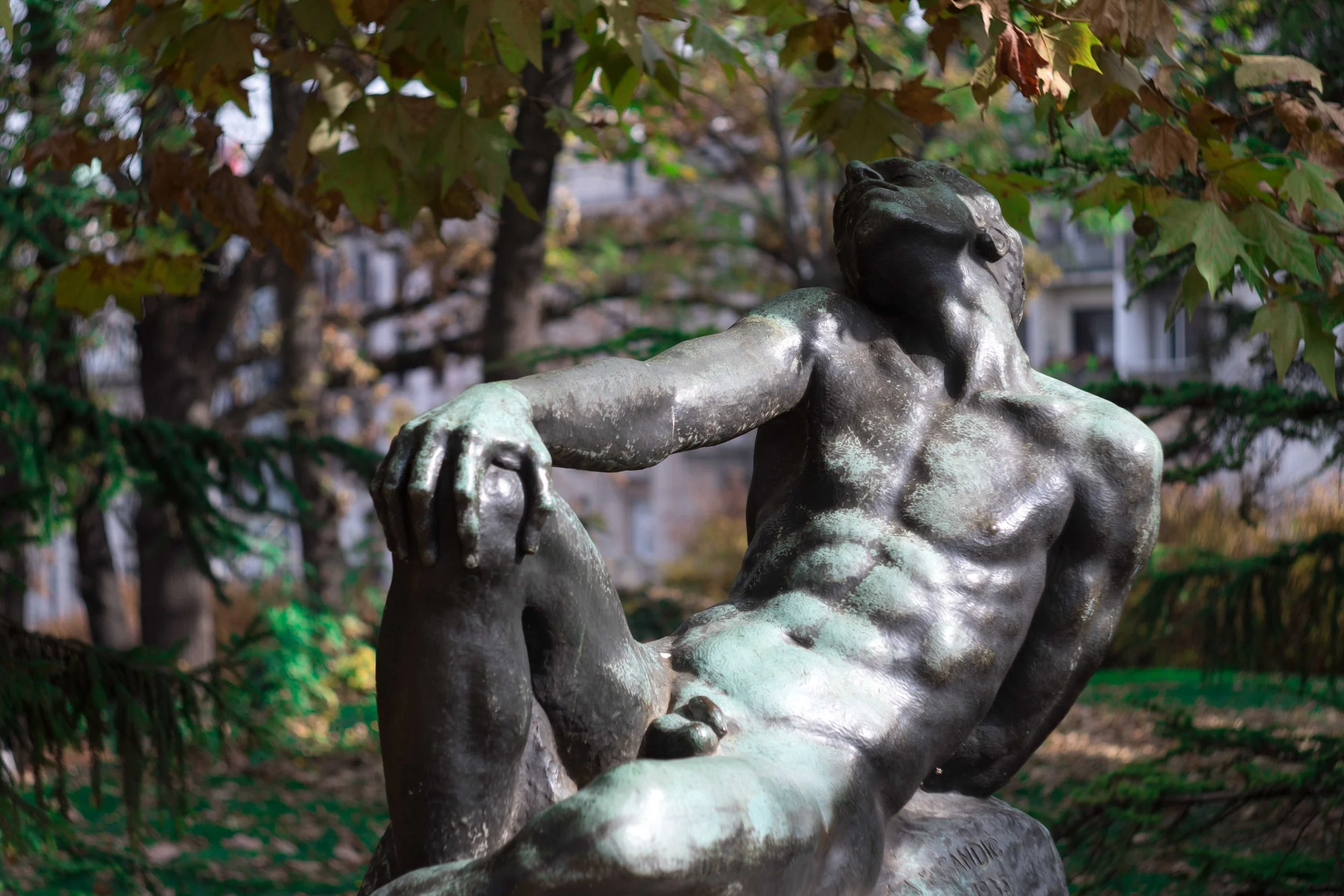
Kalemegdan Park is not just a park; it’s a cultural and historical treasure that embodies the spirit of Belgrade, offering something for everyone—history buffs, nature lovers, and casual visitors alike.
Historical Exploration: A walk through Kalemegdan is like a journey through centuries of history.
Zoo: The Belgrade Zoo, located within the park, is home to a variety of animals and is popular with families.
Military Museum: Showcasing historical weaponry and military artifacts, it provides insight into Serbia's military past.
Gallery of Natural History: A small museum dedicated to the region's flora and fauna.
The Belgrade Fortress is more than just an ancient structure; it is a living museum of history and culture, offering a perfect blend of education, recreation, and beauty. Whether you’re a history enthusiast, a photography lover, or simply looking for a peaceful place to relax, the fortress is an unforgettable destination.
Origins: The fortress dates back to the 3rd century BC when it was initially established as a Celtic settlement. It became a Roman castrum (military camp) in the 1st century AD, and over the centuries, it evolved under Byzantine, Serbian, Ottoman, and Austrian influences.
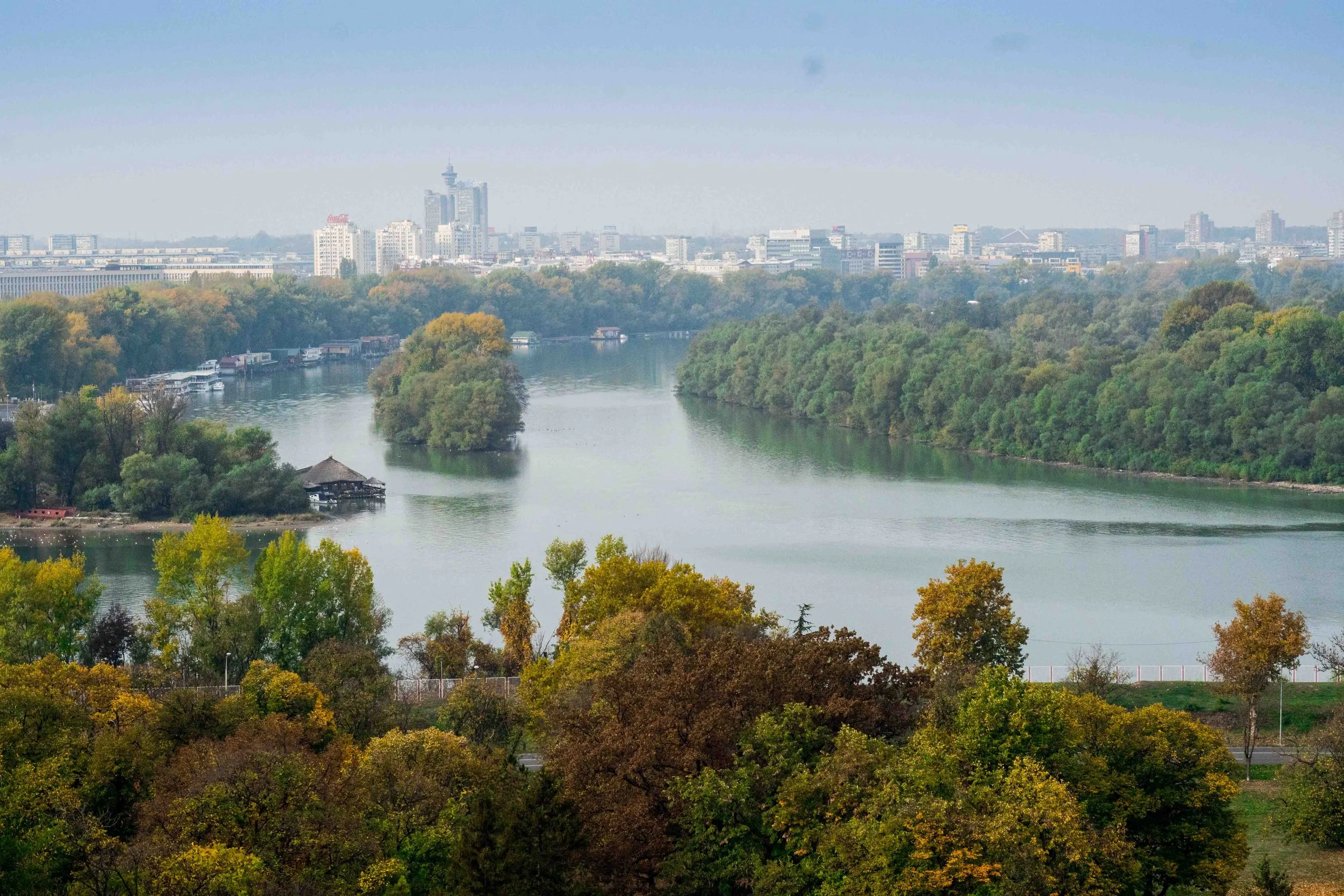
Strategic Importance: Due to its location at the meeting point of the Sava and Danube rivers, the fortress was a key military outpost for controlling trade and defending against invasions. The fortress has witnessed numerous battles and has been destroyed and rebuilt many times, reflecting the tumultuous history of the region.
Modern Era: By the 19th century, it lost its military importance and was transformed into a public park, becoming a cultural and recreational space for the city.
Key Features of Belgrade Fortress
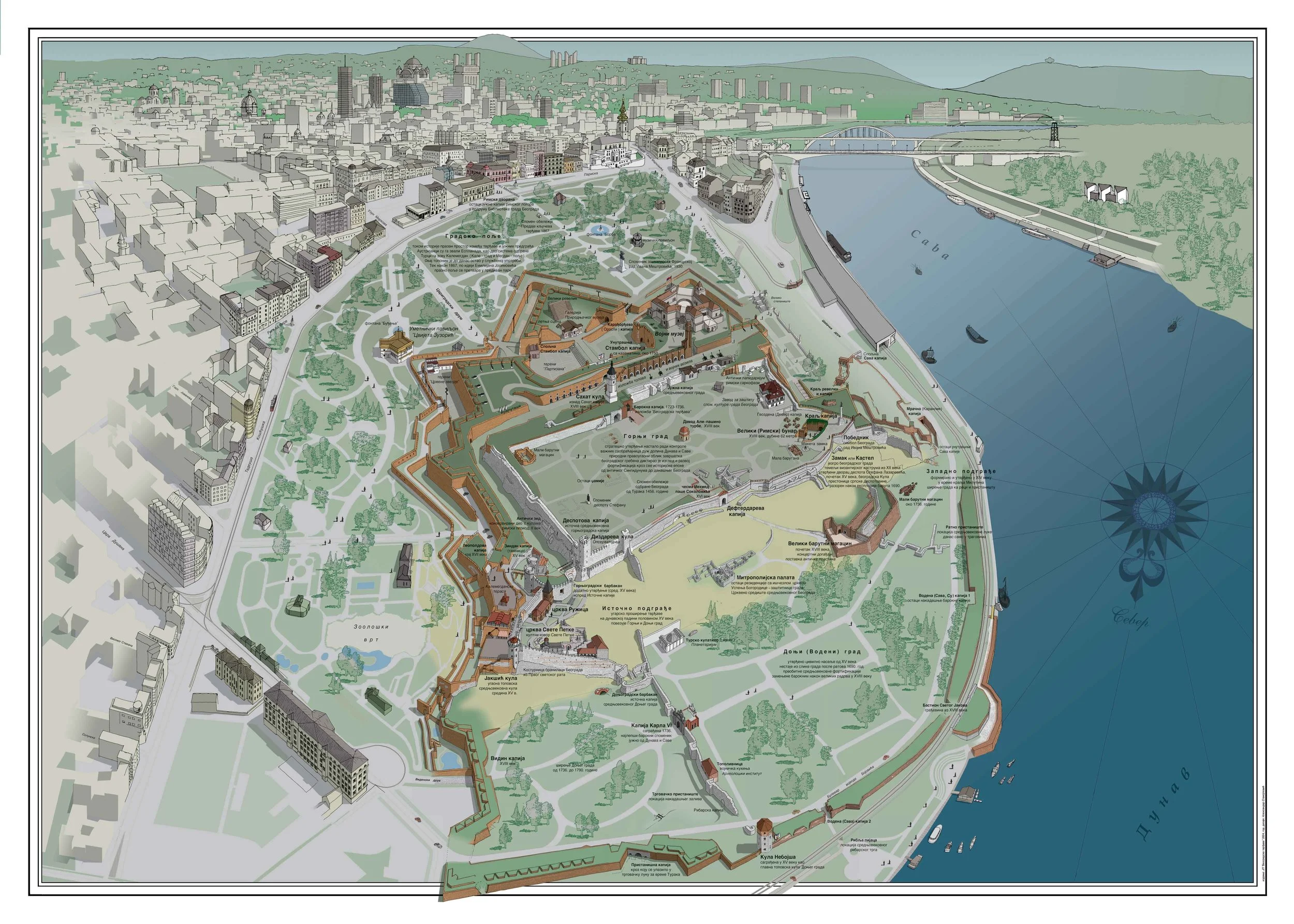
Upper Town (Gornji Grad):
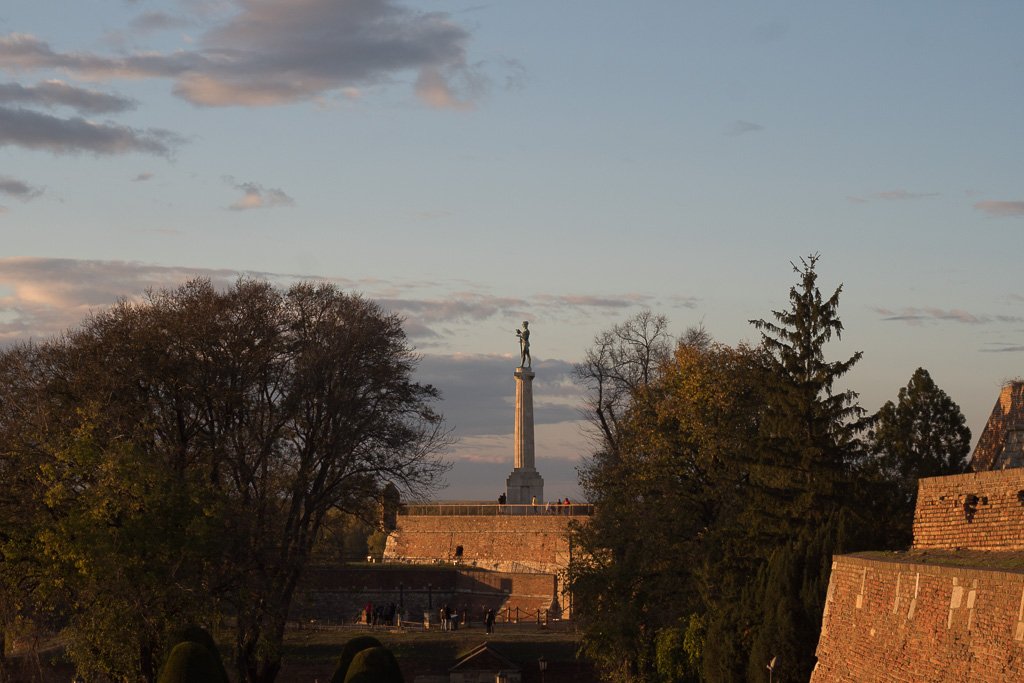
Victor Monument (Pobednik): A towering statue symbolizing Serbian victory in the Balkan Wars. It offers a spectacular panoramic view of the confluence of the rivers.
Clock Tower (Sahat Kula): A well-preserved Ottoman-era structure, adding charm to the fortress.
Roman Well: Despite its name, this deep well was constructed during Austrian rule and has a mysterious allure.
Military Museum: Displays a vast collection of weaponry, armor, and military artifacts from Serbia's history.
Lower Town (Donji Grad):
This area was historically used for trade and workshops. Today, it houses remnants of medieval structures, including gates and walls.
Ružica Church: A small, beautiful Orthodox church with unique chandeliers made from weapons.
Fortification Elements:
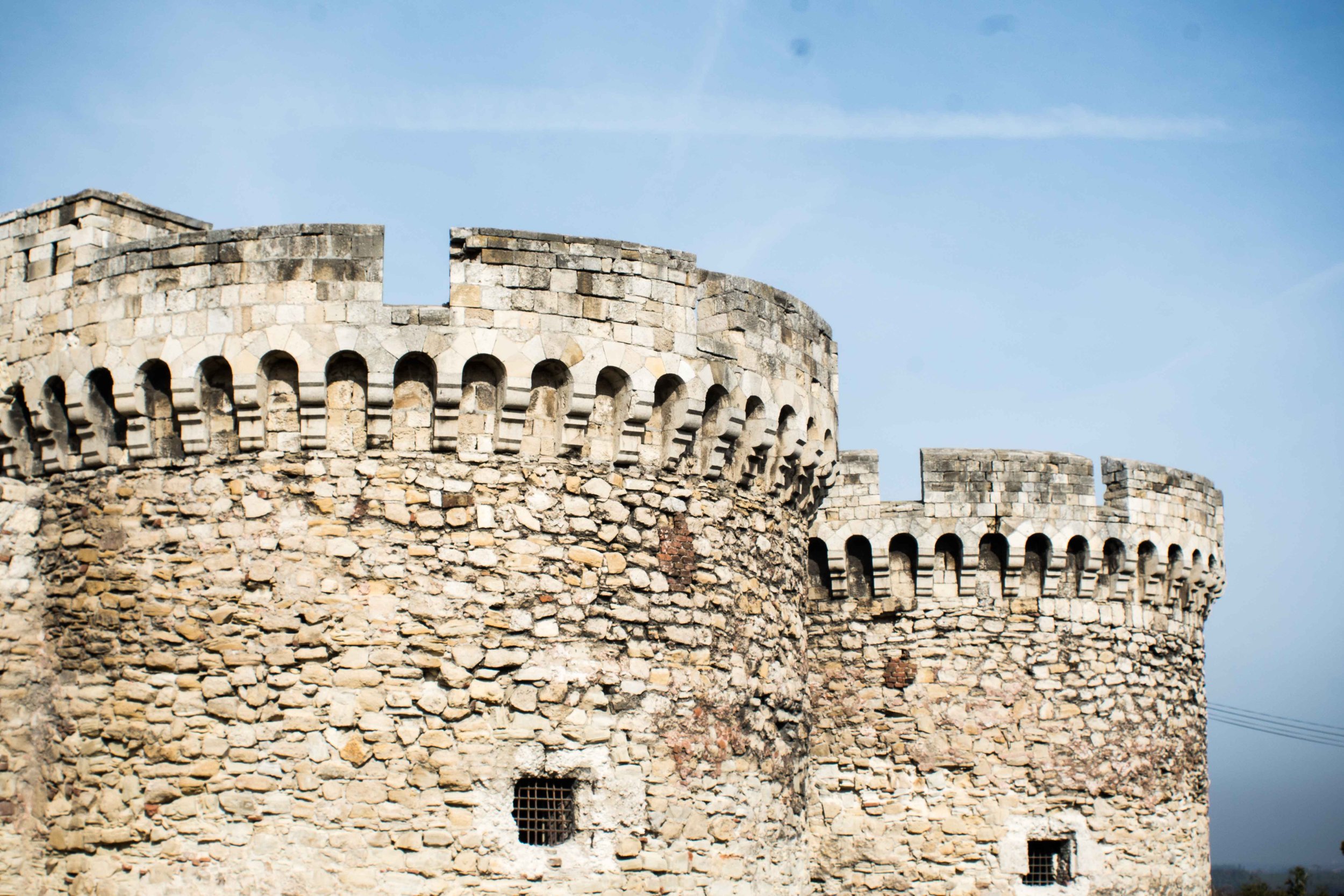
Zindan Gate: A dramatic and photogenic medieval gate leading into the fortress.
Despot’s Tower: Named after Despot Stefan Lazarević, a Serbian ruler and poet, this tower stands as a testament to the medieval era.
Outer Walls and Moats: Thick stone walls and remains of the moat illustrate its former defensive strength.